

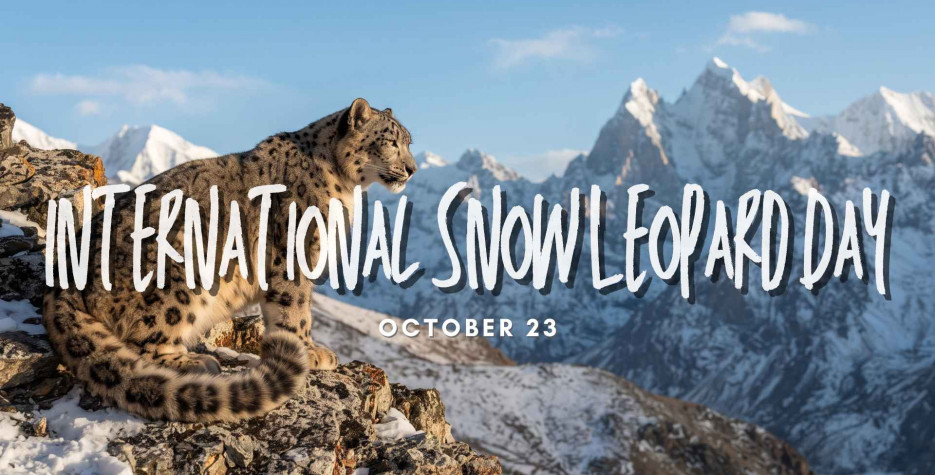
About International Snow Leopard Day
If you have ever been captivated by the mysterious beauty of high-altitude wilderness, October 23 is a date to mark on your calendar.
International Snow Leopard Day brings global attention to one of the planet's most elusive and magnificent big cats, often referred to as the "ghost of the mountains".
Spanning twelve countries across Central and South Asia, this observance unites communities, conservationists, and wildlife lovers to safeguard a species that faces steep survival challenges.
History of International Snow Leopard Day
International Snow Leopard Day was officially established on October 23, 2013, following the landmark Steatites Declaration adopted at the Global Snow Leopard Conservation Forum in Bishkek, Kyrgyzstan.
Leaders and delegates from all twelve range countries—including China, India, Mongolia, Russia, and Pakistan—came together to recognize the urgent need for cross-border cooperation.
In recent years, the United Nations General Assembly has further championed the day to emphasize how protecting mountain biodiversity supports vital climate and water security goals.
Did you know? Snow leopards cannot roar. Due to the structure of their larynx and vocal cords, they instead make sounds like chuffing, purring, mewing, and yowling!
Customs, Traditions, and Celebration
Because snow leopards live in harsh, rugged, and remote high-mountain terrain, direct sightings are exceptionally rare.
Because of this, celebrations on International Snow Leopard Day rely heavily on virtual education, community events, and creative outreach. Zoos, wildlife trusts, and environmental organizations host special exhibitions, interactive school programs, and art workshops where children can craft snow leopard masks or learn about tracking techniques using camera-trap footage.
In range countries, local communities often celebrate through cultural festivals, traditional music, and educational seminars that highlight the economic and ecological value of coexisting with large predators.
Many conservation groups also use the day to launch fundraising initiatives, such as symbolic animal adoptions, which directly fund anti-poaching patrols and secure livestock corrals to prevent conflict with local herders.
Did you know? A snow leopard's tail can grow up to a meter long, acting like a thick, woolen scarf wrapped around the body for warmth in freezing temperatures, as well as serving as a critical balancing tool on steep cliffs.
How to Get Involved
You don't have to live near the Himalayas to make a difference for snow leopards. There are plenty of meaningful ways to participate from home:
Spread the Word: Share educational articles, infographics, or documentaries on your social media channels using hashtags like #SnowLeopardDay to raise awareness among your friends and family.
Support Conservation Groups: Consider making a donation or symbolically adopting a snow leopard through reputable international organizations like the Snow Leopard Trust or the World Wildlife Fund (WWF).
Advocate for Climate Action: Because rising global temperatures threaten fragile alpine glaciers and shrink the snow leopard's natural habitat, adopting energy-conscious habits contributes to the broader fight for their survival.
Host an Informational Event: If you are a teacher, student, or community leader, organize a presentation or a themed fundraiser to introduce others to the wonders of Asia's high mountain ecosystems.
Similar Observances
World Kangaroo Day 🦘
Read More

World Wildlife Conservation Day 🐘
Read More

International Zebra Day 🦓
Read More

Other Observances on October 23rd 2026


National Mole Day
Read More