

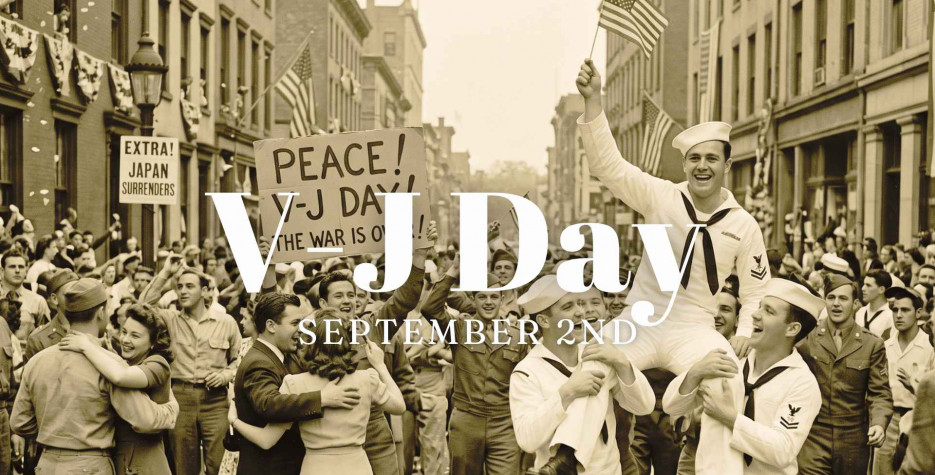
About V-J Day
Hey there, history buffs and celebration seekers! Welcome back to thereisadayforthat.com, where we're all about diving into the fascinating stories behind the days we observe.
Today, we're reflecting on a truly monumental moment in global history: V-J Day, or Victory over Japan Day.
This is a day etched in the memory of a generation, a moment when a collective sigh of relief echoed around the world, signaling the definitive end of the bloodiest conflict humanity had ever known.
Let's take a closer look at what V-J Day represents, its history, and how we can continue to honor its legacy today.
Did you know? V-J Day isn't just one day! Depending on where you are in the world, it's commemorated on either August 14th (the date of Japan's initial surrender announcement) or September 2nd (the date of the formal surrender signing).
What is V-J Day?
V-J Day, quite simply, marks the unconditional surrender of Imperial Japan to the Allied forces, effectively bringing an end to World War II. After years of brutal fighting across Europe, Africa, and the Pacific, this was the moment the world had been desperately waiting for.
Following the formal surrender of Nazi Germany in May 1945 (celebrated as V-E Day), the Allied focus shifted entirely to the Pacific Theater. After intense and costly campaigns, including the devastating atomic bombings of Hiroshima and Nagasaki, Japan acknowledged defeat.
While celebrations erupted worldwide upon the initial announcement in August, the official surrender documents were signed aboard the USS Missouri battleship in Tokyo Bay on September 2, 1945. General Douglas MacArthur presided over the ceremony, a powerful symbol of the transition from conflict to peace.
Did you know? The famous photograph of a sailor kissing a woman in Times Square, NYC, on V-J Day became an iconic image of the spontaneous joy that erupted. Several couples have since claimed to be the individuals in the photo!
How People Observe V-J Day
V-J Day observations vary, reflecting both the immense joy and the profound loss of the war. It's a day for solemn remembrance and grateful celebration. Here are some common traditions and customs:
Wreath-Laying Ceremonies: Many military memorials and cemeteries hold somber ceremonies, laying wreaths to honor the service members who made the ultimate sacrifice in the Pacific Theater.
Moments of Silence: In many communities, a moment of silence is observed at the time the surrender announcement was made, offering a quiet space for reflection and gratitude.
Parades and Tributes: Veterans' organizations and communities often host parades or special events, giving a heartfelt thank you to surviving WWII veterans, a group that is sadly growing smaller each year.
Historical Reenactments and Education: Museums and historical societies sometimes organize events or exhibits focused on the Pacific War, educating younger generations about this pivotal era.
Displaying the Flag: Flying the American flag (and the flags of other Allied nations) is a common sight, symbolizing national pride and remembrance of the shared victory.
How Can You Get Involved on V-J Day?
While large-scale celebrations may not be as common as they were decades ago, you can still observe V-J Day in meaningful ways, both personally and within your community. Here are some ideas to help you connect with the spirit of the day:
Thank a WWII Veteran: If you're fortunate enough to know a WWII veteran, take a moment to personally thank them for their service. Their stories and sacrifices are invaluable.
Visit a Military Museum or Memorial: Take a trip to a local military museum or national monument dedicated to WWII. Spend time learning about the battles fought in the Pacific and the individuals who served.
Record an Oral History: If you have family members who lived through the war (either as service members or on the home front), consider recording their memories. These firsthand accounts are precious historical documents.
Educate Yourself and Others: Read a book, watch a documentary, or research reliable historical websites to deepen your understanding of the Pacific War and the significance of V-J Day. Share what you learn with friends and family.
Attend a Commemorative Event: Check for local V-J Day ceremonies, lectures, or tributes organized by veterans' groups (like the VFW or American Legion) or historical societies in your area.
V-J Day is more than just a historical date; it's a reminder of the incredible resilience of the human spirit, the power of unified effort, and the immense cost of freedom. Let's make sure the memory of this pivotal moment and the generation that achieved it lives on.
Thanks for exploring V-J Day with us! Until next time, keep celebrating every day!
Similar Observances

National Aviation History Month ✈️
Read More

World Freedom Day
Read More
Other Observances on September 2nd 2027

International Cabernet Day
Read More