

About National Identity Day
Celebrated every year on August 11, National Identity Day in Armenia connects the nation's modern spirit to its deeply ancient roots. Officially introduced by the Armenian parliament in 2009, this date highlights themes of freedom, statehood, and cultural heritage, sparking both celebratory events and thoughtful dialogue on pre-Christian traditions.
Understanding the Roots of National Identity Day in Armenia: What Is Navasard?
To truly understand August 11, you have to look back to Navasard—the first month of the ancient Armenian calendar. Translated literally as "New Year" from ancient Iranian origins, Navasard marked the start of the calendar cycle on August 11. In ancient times, it was far more than a calendar date; it was a grand multi-day festival filled with feasts, rituals, music, and community spirit.
The Legend of Hayk and Bel in National Identity Day in Armenia
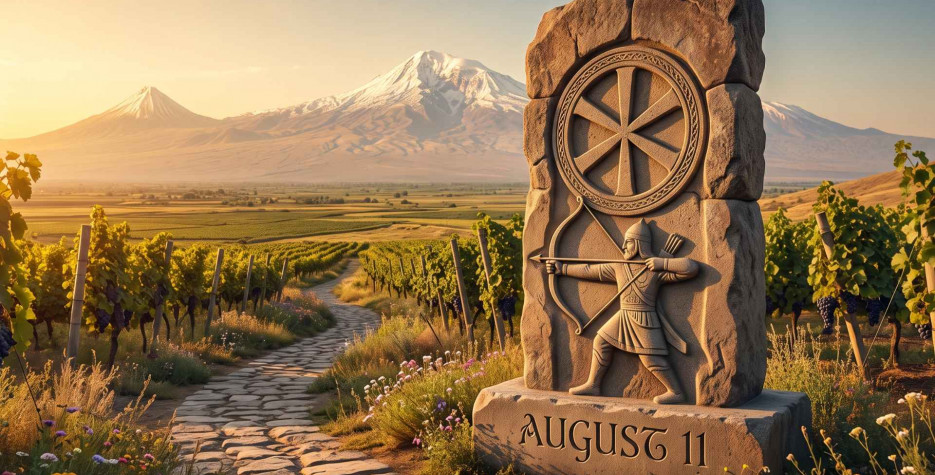
The symbolic heart of August 11 rests on the legendary story of Hayk and Bel. According to ancient Armenian tradition, Hayk—the progenitor of the Armenian people—refused to submit to the tyrannical ruler Bel. Hayk defeated Bel in battle, striking him down with an arrow. Traditionally dated to 2492 BCE, this story remains a powerful symbol of freedom, independence, and unity.
How Ancient Ancestors Marked National Identity Day in Armenia
Ancient Navasard celebrations were grand, community-wide gatherings. People traveled from across the region to enjoy bountiful feasts, listen to music, and participate in athletic competitions like horse racing and archery. In pre-Christian times, these festivities also honored deities like Aramazd, Anahit, and Vahagn, laying the foundation for many regional customs that evolved after Armenia embraced Christianity.
Celebrating National Identity Day in Armenia Today
Today, the observance serves as a vital bridge between past and present. While it isn't marked by compulsory nationwide events, it is widely honored through cultural festivals, lectures, art exhibitions, and athletic contests. It offers a dedicated time for both residents and the global diaspora to honor their shared language, traditional arts, and history.
Did you know? Navasard translates literally to "New Year," originating from ancient Iranian roots.
Did you know? According to tradition, Hayk defeated the tyrant Bel on August 11, 2492 BCE, cementing the date as an enduring symbol of liberty.
Did you know? Ancient Navasard celebrations featured sports, archery, and horse races, making it an ancient precursor to modern festival games.
Why National Identity Day in Armenia Matters
Ultimately, National Identity Day in Armenia reminds us that identity is built over millennia. By exploring ancient calendar roots, folklore, and long-standing traditions, Armenians at home and around the globe celebrate an enduring legacy of independence and pride.
Similar Observances

Other Observances on August 11th 2027

World Steelpan Day
Read More

World Calligraphy Day ✒️
Read More

National Presidential Joke Day
Read More