

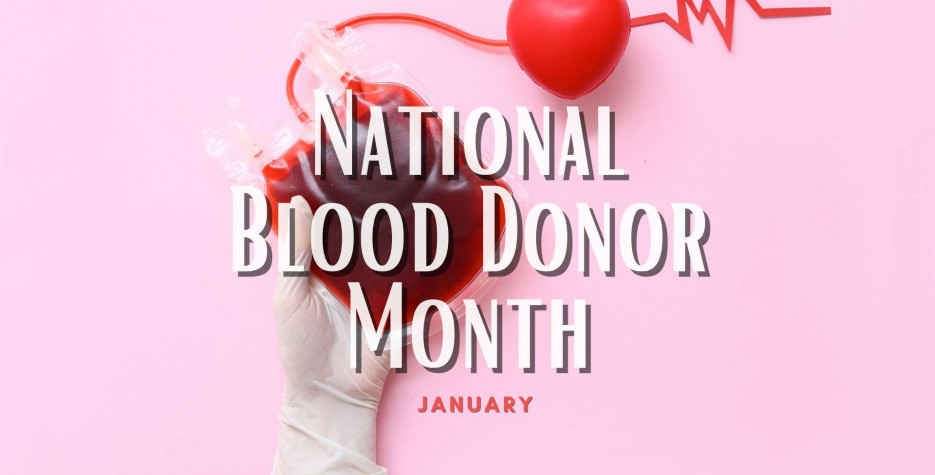
About National Blood Donor Month
National Blood Donor Month is observed in January to honor blood donors and encourage more people to donate, especially during times of increased need. It highlights the critical role that blood donations play in saving lives and addresses the ongoing demand for blood in medical treatments.
Overview of National Blood Donor Month
National Blood Donor Month is observed every January to recognize the vital role of blood donors in saving lives.
Since 1970, January has been designated as a month to honor and celebrate the incredible generosity of America's volunteer blood donors.
This month highlights the ongoing need for blood donations, especially during winter when donations typically decline due to holidays and adverse weather conditions.
Importance of Blood Donation
Lifesaving Impact: One donation can save up to three lives. Blood is essential for surgeries, trauma care, and treating various medical conditions.
Increased Demand: January often sees a rise in demand for blood due to increased medical procedures and emergencies after the holiday season.
History and Significance
Established in 1969: The month was officially designated by President Richard Nixon to encourage blood donation and show appreciation for donors.
Awareness Campaigns: Organizations use this month to promote the importance of regular donations and to recruit new donors.
How to Get Involved
Donate Blood: Eligible individuals are encouraged to schedule appointments at local blood banks or donation centers.
Spread the Word: Sharing information about blood types and the need for donations can inspire others to contribute.
By participating in National Blood Donor Month, individuals can make a significant difference in their communities and help ensure that blood supplies remain adequate for those in need.
Find out moreSimilar Observances

World Stroke Day
Read More


National Stress Awareness Day
Read More

International Mens Day
Read More
Other Observances on January 1st 2027

Alzheimer's Awareness Month
Read More


Feast of St Basil
Read More

New Year's Day
Read More